Plant-based beverages are moving beyond simple ingredient substitutions. In 2026, formulators must manage sedimentation, protein separation, mouthfeel, and processing stress. A carefully selected Plant Based Beverage Stabilizer can keep oat, almond, soy, pea, and coconut drinks smooth from filling line to refrigerator shelf.
Dr. David Julian McClements, a leading food colloid scientist at the University of Massachusetts Amherst, has stated, “The future of food is plant-based.” His work on food structure helps explain why stabilizer selection requires more than a clean-label claim. Pectin can support a light, refreshing texture, while gellan gum may create strong suspension with very low use levels. Xanthan gum improves viscosity, but excessive amounts can produce an unpleasant, slimy sensation. Cellulose-based stabilizers may help control separation in high-protein formulas. Each option behaves differently under heat, shear, acidity, and mineral variation.
Small details matter.
A pea beverage with visible sediment can lose consumer trust before its flavor is judged. An oat drink may look stable during production, then form a thin layer after several weeks. These failures are not always caused by the stabilizer alone. Protein quality, homogenization pressure, oil distribution, and storage temperature also influence performance. This overview examines the leading Plant Based Beverage Stabilizer types expected to shape beverage development in 2026. It also questions whether “natural” always means technically simple. No ingredient wins every formula. Better results usually come from measured trials, realistic shelf-life testing, and honest evaluation of texture, stability, cost, and label expectations.
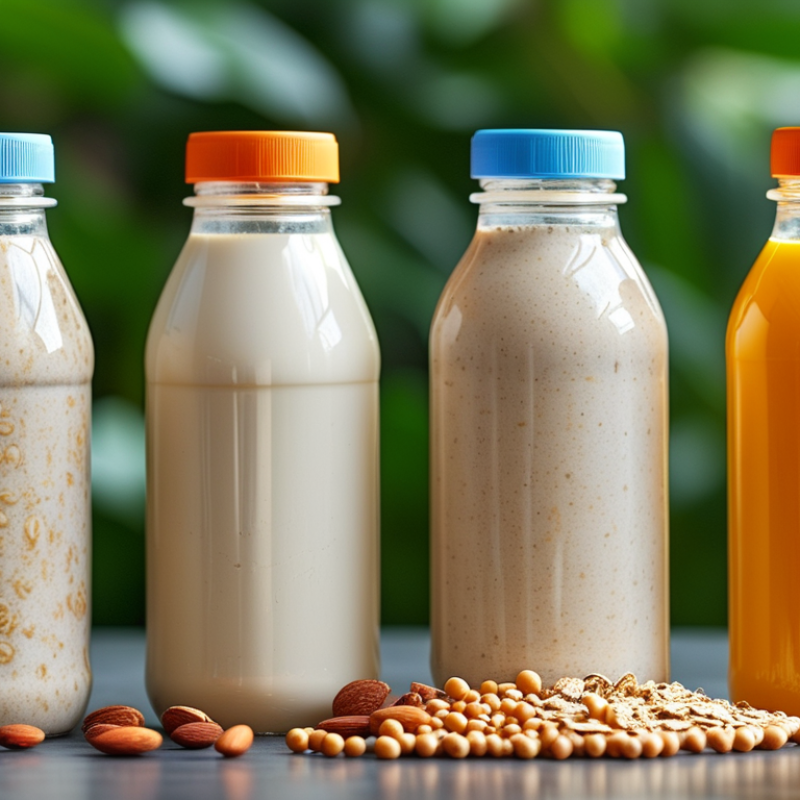
Plant-based beverage stabilizers help control separation, sediment, texture, and foam. Common choices include pectin, gum arabic, guar gum, locust bean gum, and seaweed-derived carrageenan. Each type behaves differently. Pectin can improve body and suspend fine particles in acidic drinks. Gum arabic supports emulsion stability without creating a heavy mouthfeel. Guar gum adds viscosity, while locust bean gum provides a smoother, fuller texture.
The right stabilizer depends on protein source, oil content, acidity, heat treatment, and storage time. A formulation may look uniform after mixing, then form a visible layer overnight. That small detail matters.
Stabilizers also influence pouring, swallowing, and aftertaste. Too much gum can create a slimy texture. Too little may allow sediment to settle quickly.
In practical development, measuring viscosity and checking samples after refrigeration, shaking, and standing gives more reliable evidence than appearance alone. Results can vary between batches, so supplier specifications and controlled trials remain important.
Tips: Start with a low dosage and increase gradually. Hydrate powders properly to prevent clumps. Test the beverage after heat processing and several days of storage. Check pH and calcium levels, because they may change stabilizer performance. I still find that “clean” texture is partly subjective. Consumer testing should support laboratory data, not replace it.
Plant-based beverage stabilizers keep particles suspended, control viscosity, and protect texture during storage. The main types include hydrocolloids, emulsifiers, starches, fibers, and mineral salts. Hydrocolloids such as gellan gum, guar gum, xanthan gum, and locust bean gum help prevent sediment in oat, almond, and pea beverages. Gellan gum can create a clean suspension at low use levels. Too much may produce a brittle or jelly-like mouthfeel.
Emulsifiers, including sunflower lecithin and quillaja extract, help oil and water remain blended. Starches from tapioca, rice, or potatoes add body, but heating conditions strongly affect their performance. Fibers such as inulin, citrus fiber, and oat fiber can improve creaminess while supporting a higher-fiber label. Mineral salts may improve protein dispersion and buffering, especially in pea-based formulas. The Good Food Institute reported that U.S. plant-based milk retail sales reached about $2.9 billion in 2023, showing the scale of products requiring reliable stability. Grand View Research also identifies texture and shelf-life as major development factors in the growing plant-based beverage market. Formulators still need real-time testing. A system that works in the laboratory may separate after transport, refrigeration, or repeated pouring. My practical view is simple: clean labels are attractive, but fewer ingredients do not always produce better texture.
| Stabilizer Type | Common Source | Primary Function | Typical Use Level* | Best-Suited Plant-Based Beverages | Key Formulation Considerations |
|---|---|---|---|---|---|
| Pectin | Citrus peels and apple pomace | Suspension, mouthfeel enhancement, emulsion stabilization and protein protection in acidic systems | 0.10–0.50% | Fruit drinks, acidic oat or soy beverages, plant-based drinking yogurts | Performance depends on pH, soluble solids, calcium content and pectin grade; excessive use may produce a thick or pulpy texture. |
| Gellan Gum | Fermentation-produced polysaccharide | Efficient particle suspension, separation control and viscosity modification | 0.01–0. deset?% | Plant-based milks, cocoa beverages, nutritional drinks and fortified beverages | Often effective at very low concentrations; hydration, shear, heat treatment and mineral ions strongly influence texture and suspension. |
| Xanthan Gum | Fermentation-produced polysaccharide | Viscosity control, suspension and freeze–thaw support | 0.05–0.30% | Smoothies, flavored plant milks, protein beverages and high-solids drinks | Provides strong shear-thinning behavior; excessive levels can create a gummy or slimy mouthfeel. |
| Guar Gum | Guar bean endosperm | Thickening, body development and suspension support | 0.05–0.30% | Oat, almond, pea and other plant-based milk-style beverages | Hydrates in cold water but may form lumps; good dispersion and controlled hydration are important for a smooth texture. |
| Locust Bean Gum | Carob seed endosperm | Body enhancement, viscosity building and texture improvement | 0.10–0.50% | Creamy plant milks, dessert beverages and blended nutritional drinks | Usually requires heating for full hydration; can be combined with other hydrocolloids to improve body and reduce syneresis. |
| Carrageenan | Red seaweed | Suspension, protein interaction, thickening and separation control | 0.02–0.20% | Plant-based chocolate milk, coffee beverages and mineral-fortified drinks | Different grades provide different gel and viscosity profiles; ionic minerals and processing conditions affect performance. |
| Carboxymethyl Cellulose (CMC) | Chemically modified cellulose from plant-derived cellulose | Thickening, suspension, emulsion support and mouthfeel improvement | 0.05–0.40% | Plant-based milks, flavored beverages and ready-to-drink nutritional products | Works across a broad pH range; poor dispersion may cause fisheyes, while high levels can produce excessive slickness. |
| Modified Food Starch | Corn, tapioca, potato or other botanical starches | Viscosity, creaminess, body and particulate stabilization | 0.50–3.00% | Thick plant-based shakes, meal-replacement drinks and dessert-style beverages | Selection should match heat treatment, shear, acidity and storage conditions; some starches may contribute opacity or a cooked texture. |
| Microcrystalline Cellulose | Purified plant cellulose | Suspension, bulking, emulsion support and low-calorie body | 0.10–1.00% | Fortified beverages, protein drinks and products containing insoluble particles | Often used in a structured colloidal system; dispersion and high-shear processing are important for consistent suspension. |
| Acacia Gum | Dried gum exudate from acacia trees | Emulsion stabilization, soluble fiber contribution and light mouthfeel enhancement | 1.00–10.00% | Botanical beverages, flavored waters, beverage emulsions and fiber-enriched drinks | Generally provides less viscosity than many hydrocolloids; higher levels may be needed for meaningful fiber or emulsion functionality. |
In 2026, plant-based beverage stabilizers are chosen for more than simple thickening. They help control texture, separation, and shelf life during storage. Pectin can create a smooth, light body in acidic fruit drinks. Gellan gum supports suspension, keeping cocoa or mineral particles from settling. Guar gum and xanthan gum improve viscosity, but excessive use may create a sticky mouthfeel. Texture changes quickly.
Stabilizers also protect quality through temperature changes and transport. A well-designed system can reduce sediment at the bottom of a chilled carton. It can also limit watery separation after opening. Cellulose-based stabilizers may provide creaminess in oat, nut, or seed beverages without adding heavy dairy-like thickness. The correct choice depends on pH, protein content, fat level, minerals, and heat treatment. Small errors matter.
Formulation trials should measure viscosity, particle suspension, and appearance over time. Testing only on the production day can hide serious weaknesses. A beverage may look smooth at 20°C but become grainy after refrigeration. Another may pass initial testing yet separate after repeated shaking. This is where technical judgment becomes essential. Stabilizer combinations can work better than single ingredients, but compatibility must be verified carefully. Too much stabilizer can shorten consumer acceptance, even when laboratory results appear strong. Room for improvement remains in balancing clean texture, reliable shelf life, and a short ingredient declaration.
How stabilizers improve texture, physical stability, and shelf life. The chart shows typical formulation use ranges reported for plant-based beverages; actual levels vary with the base ingredient, pH, heat treatment, fat content, and desired mouthfeel.
Interpretation: Gellan gum and carrageenan are commonly used at low concentrations for suspension and phase separation control. Pectin, xanthan gum, and cellulose gum help build viscosity and improve texture, while modified starch is generally used at a higher level to provide body and creaminess. By slowing sedimentation, creaming, and particle aggregation, stabilizers can help maintain quality throughout the product’s shelf life.
Choosing a plant-based beverage stabilizer starts with the drink’s physical behavior, not a fashionable ingredient list. Oat, soy, pea, nut, and seed beverages contain different proteins, fibers, oils, and minerals. These components affect suspension, creaminess, heat tolerance, and flavor release. Common options include hydrocolloids, modified starches, fibers, emulsifiers, and blended systems. The best choice depends on what the beverage must withstand.
Check the beverage’s pH, fat level, protein content, and processing temperature. A high-shear process may require strong emulsion support. A refrigerated drink may need protection against sediment during several weeks of storage. Heat-treated products demand stabilizers that maintain viscosity without creating a heavy, pasty mouthfeel. Texture is personal. Some consumers prefer a clean, light finish, while others expect a thick, creamy pour.
Run small trials before adjusting the full formula. Test different dosages, hydration methods, filling temperatures, and storage conditions. Observe separation at the bottle’s bottom, ring formation near the cap, and changes after opening. A formula can look stable on day one and fail after transportation. I have learned that ingredient compatibility often matters more than a stabilizer’s isolated performance. Label expectations also matter, especially when consumers seek short, familiar ingredient lists. Cost, supply consistency, and processing equipment should influence the decision. No formula is perfect. A practical choice balances stability, sensory quality, manufacturing limits, and honest product claims.
Plant-based beverages are moving beyond basic suspension. In 2026, formulators will favor stabilizer systems that manage sediment, foam, and mouthfeel together. Gellan gum remains useful for almond, oat, and pea drinks because it creates a light, stable network at low dosage. Pectin, guar gum, locust bean gum, and cellulose derivatives will support creaminess and reduce phase separation.
The Good Food Institute reported $8.1 billion in U.S. plant-based retail sales in 2023. That scale increases pressure for longer shelf life and cleaner labels. Grand View Research estimates the global plant-based beverages market will grow strongly through 2030. This growth encourages multifunctional ingredients, including fiber-based stabilizers and protein-polysaccharide blends. These systems can improve texture while reducing the need for several separate additives.
The texture target is changing.
Consumers increasingly expect plant-based drinks to pour smoothly, foam consistently, and leave little chalkiness. Fermentation-derived ingredients may gain attention for their processing reliability and mild sensory profile. Upcycled fruit fibers also show promise, especially in beverages needing body and water control. However, “clean label” is not automatically better. Some natural gums hydrate unevenly, leaving a thin gel layer at the bottle bottom. Pilot trials should test heat treatment, calcium levels, shear, and storage for at least twelve weeks. I still see one weakness: many formulas optimize viscosity, but overlook flavor release and afterfeel.
: They keep particles suspended, control thickness, and reduce separation during storage. A smooth pour matters.
Common types include hydrocolloids, emulsifiers, starches, fibers, mineral salts, and blended systems. Each behaves differently.
Hydrocolloids can reduce sediment in oat, nut, pea, and seed beverages. Some work at very low levels. Too much may feel brittle, gummy, or jelly-like.
Emulsifiers help oil and water remain blended. They are useful when a beverage contains oils, proteins, or fine particles. Compatibility still requires testing.
Tapioca, rice, and potato starches can add body. Inulin, citrus fiber, and oat fiber may increase creaminess and fiber content. Heating can change their performance.
Check pH, protein, fat, minerals, processing temperature, and shear conditions. Also consider the desired mouthfeel and ingredient declaration. The shortest label is not always best.
Run small trials with different dosages and hydration methods. Inspect the bottle bottom, cap area, and surface after storage. Test refrigerated samples and transported samples. Day-one results can mislead.
Usually not. Blended systems may perform better than single ingredients, but compatibility must be verified. A drink may look stable at 20°C yet become grainy when chilled. There is still room for improvement.
Plant Based Beverage Stabilizer systems are essential for creating smooth, consistent, and appealing non-dairy drinks. They help suspend particles, prevent separation, control viscosity, improve mouthfeel, and maintain a uniform appearance throughout storage. Common stabilizer types include hydrocolloids, plant-derived gums, starches, fibers, pectin, and protein-supporting blends. Each option offers different benefits, so beverage developers must consider the drink’s base, acidity, processing conditions, target texture, nutritional goals, and expected shelf life when making a selection.
An effective stabilizer can improve texture and stability while reducing sedimentation, creaming, and phase separation. It may also support better freeze-thaw performance, heat tolerance, and storage consistency. In 2026, emerging trends are expected to focus on clean-label ingredients, recognizable plant-based sources, lower usage levels, improved sustainability, and multifunctional systems that combine texture, suspension, and nutritional support. Choosing the right solution requires balancing performance, sensory quality, formulation compatibility, cost, and consumer expectations.
Tellcan Food