As plant-based protein beverages become more varied, stabilizer selection is no longer a simple ingredient swap. Pea, soy, oat, rice, and blended proteins behave differently in water. Their particles can settle, clump, or create a sandy mouthfeel. A clean label does not automatically create a stable drink.
This guide examines the 2026 market for Plant Based Protein Beverage Stabilizer solutions. It considers texture, suspension, heat processing, pH, and consumer expectations. Common options include gellan gum, cellulose-based systems, pectin, carrageenan, and carefully balanced hydrocolloid blends. Each option has strengths. Each also has limits. The best choice depends on protein type, dosage, shear conditions, filling temperature, and storage time.
Small details matter. A bottle may look smooth after production, then show a visible sediment ring after two weeks. A formula may pass a short stability test but fail after transport vibration. That gap deserves attention. There is no universal winner, despite confident product claims. Independent trials, supplier documentation, and applicable food regulations should guide the final decision. Bench testing should include real production conditions, not only laboratory mixing. Taste matters too. A stabilizer that prevents separation but leaves a gummy finish may weaken repeat purchases.
This review offers a practical comparison for product developers, quality teams, and ingredient buyers. It focuses on measurable performance, transparent limitations, and realistic formulation decisions. Some conclusions may change as new protein systems and processing technologies develop. That is worth admitting.
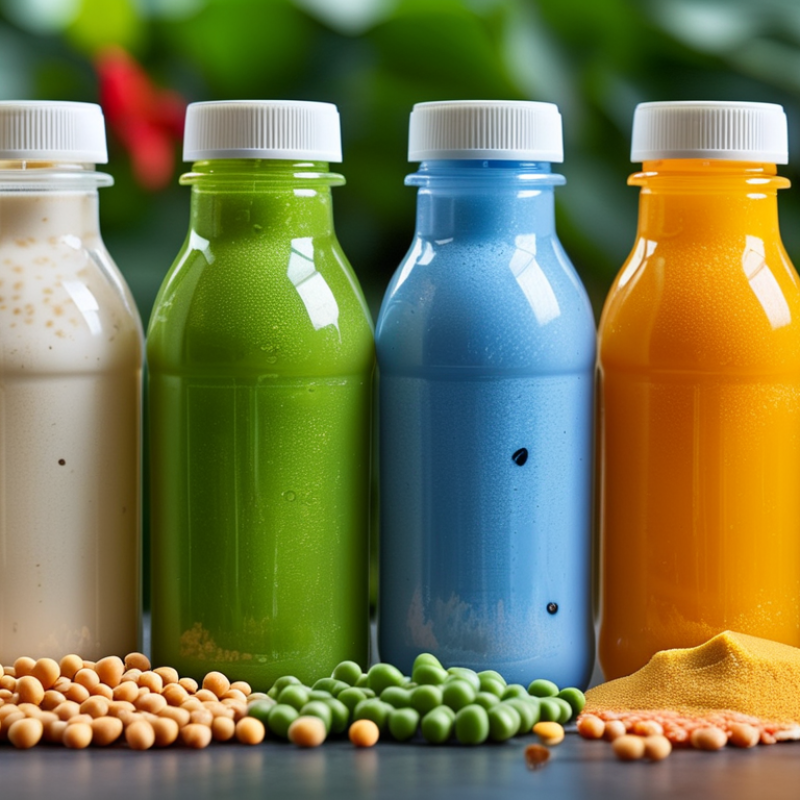
A plant-based protein beverage stabilizer is an ingredient system that keeps protein, water, oil, and minerals evenly dispersed. It helps prevent sediment, separation, foaming, and an unpleasant gritty texture. Common choices include gellan gum, pectin, cellulose derivatives, starches, and selected emulsifiers. Each works differently.
The “best” stabilizer depends on the protein source, acidity, heat process, and target mouthfeel. Pea and fava proteins may settle quickly. Oat or rice proteins can create thickness and chalkiness. A stabilizer can build viscosity, but too much may produce a slimy drink. The 2024 Good Food Institute retail report valued U.S. plant-based milk sales at about $2.9 billion in 2023. That scale increases pressure for stable, clean-label products. Yet, a large market does not make one formula universal. Pilot testing remains essential. A beverage may look smooth at filling, then separate overnight.
Tips: Hydrate the stabilizer before adding minerals or protein. Test immediately after processing, after 24 hours, and after repeated temperature changes. Measure viscosity, sediment height, particle size, and sensory texture. Use the lowest effective dosage. Small changes matter. The International Dairy Federation’s technical guidance also emphasizes controlling heat treatment, homogenization, and storage conditions when designing protein beverages. Industry reports offer direction, but real product behavior must decide the final system.
2026 Best Plant-Based Protein Beverage Stabilizer?
Why Stabilizers Matter in Plant-Based Protein Drinks
Plant proteins behave differently from dairy proteins. Their particles can settle, float, or form gritty layers during storage. Heat processing can intensify these problems. A stabilizer helps keep the drink smooth, suspended, and visually consistent from filling to the final sip.
The choice depends on the formula. Gellan gum can support suspension at very low use levels. Cellulose-based stabilizers can improve body and reduce sediment. Pectin may help create a softer mouthfeel in acidic beverages. No single ingredient is always best. Protein type, pH, minerals, processing temperature, and dosage must be tested together. Small changes matter.
The market pressure is real. The Good Food Institute, using SPINS retail data, reported that U.S. plant-based retail sales reached about $8.1 billion in 2023. Protein beverages are expected to deliver more nutrition without chalkiness or separation. Consumers notice both. A clear bottle can expose sediment quickly.
In pilot trials, I would compare stability after heat treatment, shaking, refrigeration, and several weeks at room temperature. Measure viscosity, particle separation, and sensory texture. Over-stabilizing is also a mistake. The drink may become slimy or difficult to pour. Regulatory approval and permitted-use levels vary by market, so technical validation remains essential. According to the Institute of Food Technologists, ingredient performance depends strongly on processing conditions, not just ingredient selection.
Choosing a plant-based protein beverage stabilizer starts with the protein, not the label. Pea, oat, soy, and blended proteins hydrate differently. During pilot work, a useful check is sediment after 24 hours. A smooth pour can still develop a gritty layer overnight. Hydrocolloids such as gellan gum, guar gum, and xanthan gum improve suspension and viscosity. Their dosage must remain restrained. Too much creates a thick, slippery mouthfeel.
Emulsifiers help disperse oil and reduce visible creaming. Lecithin and mono- and diglyceride systems may support a cleaner surface, depending on processing conditions and regulations. Cellulose-based stabilizers add body and improve storage stability. Modified starches can provide a fuller texture, especially in oat-based beverages. Pectin may help manage serum separation in selected acidic or mineral-containing formulas. Each type addresses a different failure. Not always perfectly.
Processing matters as much as ingredient selection. Hydration temperature, shear, pH, minerals, and homogenization pressure can change performance sharply. I prefer testing a small formulation matrix instead of trusting one successful bench sample. Compare viscosity, sediment, foam, and flavor after heat treatment and cold storage. Some blends look stable on day one, then separate in the refrigerator. That result is useful. It exposes weak assumptions. A refrigerated sample at day seven may tell a different story.
Indicative typical use levels in ready-to-drink plant-based protein beverages. Actual dosage depends on protein source, pH, heat treatment, ionic strength, and target viscosity.
Gellan gum is commonly selected for suspension and serum-separation control at very low concentrations. Guar gum and CMC mainly build viscosity and body, while xanthan gum supports suspension and flow control. Carrageenan can contribute to protein interaction and suspension, and pectin is often used for mouthfeel and stabilization, especially in acidic systems. The plotted values are midpoints of common practical formulation ranges: gellan gum 0.02–0.05%, guar gum 0.10–0.30%, xanthan gum 0.05–0.20%, carrageenan 0.02–0.10%, pectin 0.10–0.50%, and CMC 0.10–0.40%.
2026 Best Plant Based Protein Beverage Stabilizer?
How to Choose the Best Stabilizer for a Beverage Formula
Choosing the best plant-based protein beverage stabilizer starts with the formula, not the ingredient label. Protein source, pH, oil level, heat treatment, and target texture all affect performance. In formulation trials, I check hydration in cold water before judging final stability. Small lumps can hide inside a smooth-looking sample.
A hydrocolloid may improve suspension, while an emulsifier can support oil distribution. These functions are different. Too much thickener may create a gummy sip or slow pouring. Too little may cause sediment after storage. I test several use levels, then compare viscosity, mouthfeel, and separation after homogenization. Calcium and mineral salts also deserve attention because they can weaken stability in some formulas.
Storage testing should include refrigeration, room temperature, and mild heat exposure. I inspect the bottle for sediment, a visible ring, floating particles, and changes in pour speed. A one-day test is not enough. Three days may still mislead you. My practical mistake was judging a sample immediately after processing, when its structure had not fully developed. Repeat testing after 24 and 72 hours gives a more reliable picture. The best choice balances suspension, clean flavor release, processing tolerance, and consumer-friendly texture.
2026 Best Plant-Based Protein Beverage Stabilizer?
Plant-based protein beverages are moving toward cleaner labels, higher protein levels, and smoother drinking experiences. Grand View Research valued the global plant-based milk market at approximately USD 40.25 billion in 2023, with continued growth expected through 2030. This expansion raises a practical question: can one stabilizer handle every protein source? Probably not.
Current stabilization trends favor tailored systems rather than single ingredients. Gellan gum can suspend mineral particles and protein, while pectin may improve body and reduce watery perception. Cellulose-based stabilizers can support viscosity during storage. Lecithin may help wetting, but it cannot repair poor homogenization. The best system depends on protein type, pH, heat treatment, fat content, and target texture.
In pilot work, a beverage may look smooth after production, then form a visible sediment layer after two weeks. That detail matters. Innova Market Insights has identified texture, nutrition, and recognizable ingredients as important plant-based product drivers in recent trend reporting. Meanwhile, the Good Food Institute’s 2024 industry report highlighted ongoing pressure for better taste, texture, and production efficiency across alternative proteins. More protein often creates more instability. That is the uncomfortable part. Developers may need moderate protein loading, stronger homogenization, or a small multi-component stabilizer system. “Clean label” is useful, but it is not a complete technical specification.
| Stabilization System | Typical Use Level (% w/w) |
Best Beverage Application | Primary Function | Processing Compatibility | 2026 Relevance | Main Limitation |
|---|---|---|---|---|---|---|
| Gellan gum + high-shear hydration | 0.015–0.080 | Neutral or mildly acidic ready-to-drink protein beverages | Suspends protein particles and reduces sedimentation | Suitable for heat-treated beverages; requires accurate dispersion | Strong fit for clean-label, low-viscosity formulas with visible protein stability | Overuse may create a weak gel, ropiness, or an undesirable mouthfeel |
| Cellulose gum + microcrystalline cellulose | 0.20–1.00 | High-protein shakes and nutritionally dense beverages | Improves suspension, body, and resistance to serum separation | Works well with homogenization and thermal processing | Useful where high protein loading requires more body and physical support | Can produce a powdery, pasty, or overly thick texture if overdosed |
| Carrageenan + complementary hydrocolloid | 0.03–0.20 | Cocoa, coffee, and dessert-style plant protein drinks | Controls settling and contributes suspension and creaminess | Performs best with controlled heating, hydration, and ionic conditions | Remains relevant for indulgent textures and mineral-fortified products | Texture is sensitive to formulation chemistry; excessive use can feel brittle or gummy |
| High-acyl gellan gum | 0.010–0.050 | Smooth beverages requiring suspension without high viscosity | Creates a soft, weak network that keeps particles suspended | Generally compatible with pasteurization and aseptic processing when properly hydrated | A leading option for lighter mouthfeel and reduced stabilizer dosage | Requires tight control of shear, salts, pH, and hydration temperature |
| Low-methoxyl pectin | 0.10–0.60 | Acidified plant-protein beverages, smoothies, and fruit blends | Improves suspension and helps manage protein aggregation at low pH | Requires pH control and careful calcium management | Important for growth in acidic, fruit-forward, and cultured-style formats | May form excessive gel or increase astringency when calcium or dosage is too high |
| Native or modified starch | 0.50–3.00 | Thick shakes, meal-replacement beverages, and dessert profiles | Adds viscosity, body, and partial sedimentation control | Modified types generally tolerate heat and shear better than many native starches | Supports starch-based, recognizable-ingredient, and cost-conscious formulations | May cause excessive thickness, chalk masking, or viscosity loss during storage |
| Sunflower or rapeseed lecithin | 0.05–0.50 | Powder-dispersed protein beverages and emulsified formulas | Improves wetting, dispersion, and oil-in-water emulsion stability | Best used with adequate shear and a separate hydrocolloid when suspension is required | Supports simpler ingredient statements and improved powder reconstitution | Usually cannot provide sufficient long-term suspension by itself |
| Protein-compatible emulsifier + hydrocolloid blend | 0.10–0.80 | Beverages containing plant oils, fat-soluble nutrients, or flavor emulsions | Combines emulsion stability, suspension, and mouthfeel control | Requires optimized homogenization pressure and order of addition | Increasingly valuable for multifunctional beverages with protein, oil, minerals, and vitamins | More complex to formulate and may require sensory and shelf-life screening |
| Ultrafine protein particle engineering + low-dose hydrocolloid | Hydrocolloid typically 0.01–0.15 | High-protein beverages targeting low chalkiness and low viscosity | Reduces particle size while providing final-stage suspension support | Depends on efficient milling, hydration, and high-pressure homogenization | A key technology direction for higher protein density and improved drinkability | Higher processing cost and greater sensitivity to raw-material variability |
It keeps protein, water, oil, and minerals evenly dispersed. It helps reduce sediment, separation, foam, and gritty texture.
The protein source, acidity, oil level, heat process, and target mouthfeel all matter. There is no universal choice. Pilot testing remains essential.
Pea and fava proteins may settle quickly. Oat and rice proteins can create thickness or chalkiness. The formula decides the response.
Hydrate it before adding protein or mineral salts. This helps reduce hidden lumps. Small lumps matter.
Not always. Too much may create a slimy texture, gummy sip, or slow pouring. Use the lowest effective dosage.
Hydrocolloids mainly support suspension and viscosity. Emulsifiers help distribute oil. They solve different problems and may work together.
Check the beverage immediately, after 24 hours, and after 72 hours. Measure sediment height, viscosity, particle size, and pour speed. Inspect for rings and floating particles.
Test refrigeration, room temperature, and mild heat exposure. Repeated temperature changes can reveal separation. One-day testing can mislead you.
Do not judge stability immediately after processing. The structure may still be developing. I once trusted a smooth sample too early. My assessment was incomplete.
A Plant Based Protein Beverage Stabilizer is a functional ingredient system designed to keep plant-protein drinks smooth, uniform, and pleasant to consume throughout processing and storage. It helps manage common challenges such as sedimentation, clumping, separation, excessive thickness, and texture changes caused by plant proteins, minerals, oils, or heating. Stabilizers may include hydrocolloids, fibers, emulsifying agents, and carefully balanced protein-compatible ingredients, each serving a specific role in suspension, viscosity control, mouthfeel, or emulsion stability.
Choosing the best stabilizer depends on the beverage’s protein source, pH, fat level, processing method, desired texture, and shelf-life requirements. A successful formula should provide stability without creating an overly gummy or heavy sensation and should complement the drink’s flavor and nutritional profile. In 2026, development trends are expected to emphasize cleaner ingredient statements, improved sensory performance, lower usage levels, and stabilization systems tailored to different plant proteins. Practical testing under real storage conditions remains essential for achieving reliable quality.

Tellcan Food